Let’s discuss the question: how to care for a carbon steel knife. We summarize all relevant answers in section Q&A of website Linksofstrathaven.com in category: Blog Finance. See more related questions in the comments below.

How often should I oil my carbon steel knife?
Even the smallest amount of moisture in the air is enough to cause rust to form on the blade. To prevent this, oil or wax should be applied to the blade and any fittings every two to three weeks of use, and the knife should be cleaned and dried after each use.
Is carbon steel difficult to maintain?
Carbon steel knives are loved by many chefs for their ability to keep dangerously sharp edges with minimal sharpening, even after months of wear and tear. But carbon steel is to knives as cast iron is to skillets: It gets a bad rap for being difficult to maintain.
How To Care for Carbon Steel Knives
Images related to the topicHow To Care for Carbon Steel Knives
Do carbon steel knives rust easily?
They are usually sharper than stainless knives, a dream to sharpen, and have amazing edge retention. Unfortunately, they can also rust if not given a little extra care. After a while, the steel will oxidize and react with moisture and air and start to change colour.
What kind of oil do you use on a carbon steel knife?
“Food-grade mineral oil is probably the best [oil] you can use,” he says, “many other oils will become like a resin over time and get really, really sticky. [Food-grade mineral oil] doesn’t get that way. It’s always smooth and keeps a good shine.”
Do carbon steel knives need oiling?
A carbon steel knife without a patina will rust quickly. It’s always good to oil your carbon steel blades.
What oil is best for seasoning carbon steel?
For seasoning and cooking with carbon steel pans, use a neutral oil with a medium smoke point. These oils include canola oil, sunflower oil, grapeseed oil, vegetable oil, and corn oil. Avoid oils with high smoke points since carbon steel cookware heats up very quickly and can burn your oil.
What is patina on a knife?
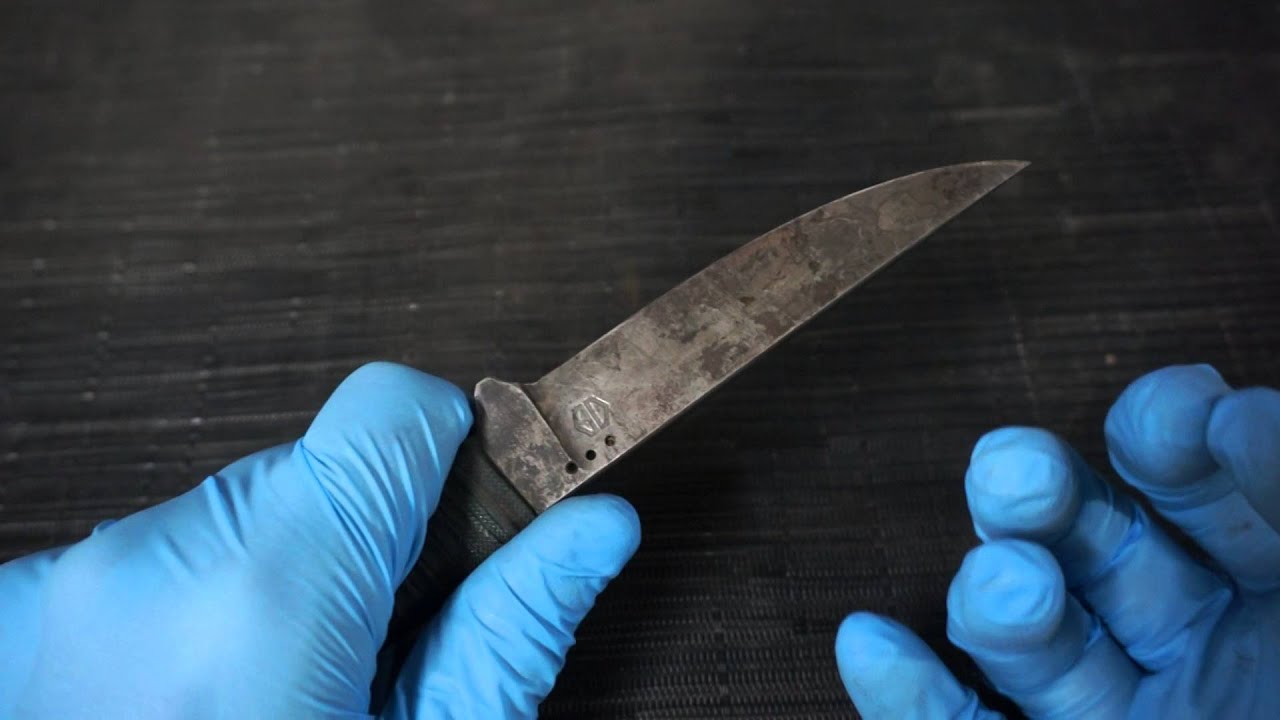
A patina is a natural protective layer on carbon steels that protects the blade from further oxidation and gives it a look of rough finish. It is produced by the oxidation of steel surface and this process is even quicker if a knife comes into contact with various acids.
Are carbon steel knives magnetic?
Carbon steel does in fact react more strongly to magnets, though as noted not in any way you are asking about. Enough non-ferrous materials mixed into iron will make it non-magnetically reactive.
Is plain carbon steel mild steel?
Mild steel (iron containing a small percentage of carbon, strong and tough but not readily tempered), also known as plain-carbon steel and low-carbon steel, is now the most common form of steel because its price is relatively low while it provides material properties that are acceptable for many applications.
Why did my knife turn black?
Magnetite is a less destructive type of oxidation that affects just the surface of carbon steel. This process is what’s responsible for developing the carbon steel patina that changes the color of the metal from its shiny chrome-like finish to a dull gray.
How often should you oil your knife?
How often you need to clean and oil your knife depends on how you use it. For the average person, once or twice a year is probably sufficient. Higher-end knives require less frequent maintenance, as you don’t have to worry about rust on titanium and other premium metals.
Carbon Steel Knife Care – Kitchen and Outdoor Knives
Images related to the topicCarbon Steel Knife Care – Kitchen and Outdoor Knives
How long does it take carbon steel to rust?
Too Long, Didn’t Read
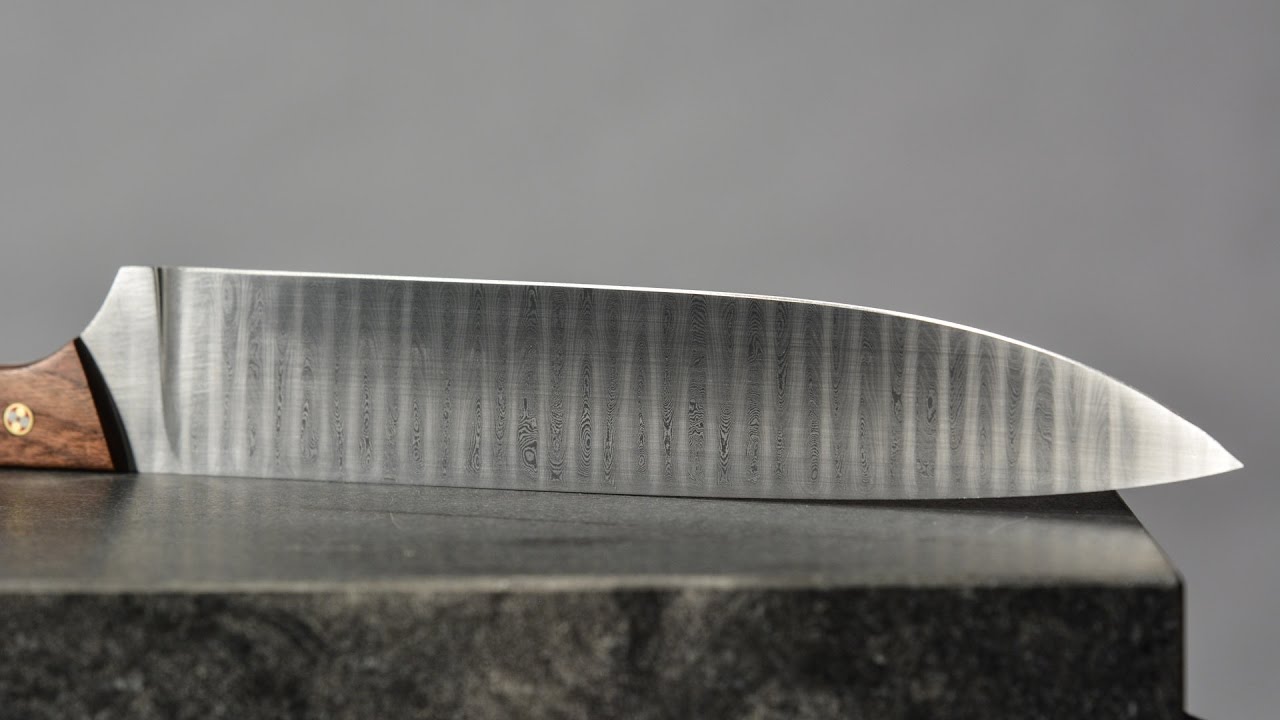
The carbon knives we carry start to visibly rust when exposed to moisture after a rough minimum of 6 minutes. Using your carbon steel knife will build a patina, which makes it rust much, much slower- think 45 minutes to a couple of hours.
Can you polish carbon steel?
Carbon steel polishing and buffing often go hand-in-hand, but the processes are very dissimilar. Polishing carbon steel involves using abrasives – such as wheels, belts, and media – to remove just enough materials from the part’s surface to make it suitable for its final finish.
What is knife oil made of?
Synthetic knife oils often have a petroleum base and include camellia or mineral oil as supplemental ingredients. Synthetic oils come in food grade and non-food grade varieties. When sharpening kitchen knives, always use food-grade knife oils.
What oil should I use on my knife?
If you’re oiling a kitchen knife or any knife which you could use for food preparation, you’ll want to use a food-grade knife oil. This means it’s odorless, flavorless and non-toxic. Synthetic oils are generally better than organic oils (such as olive oil).
What oil does a 1095 take?
Any good grade gun oil will do.
How often do you season carbon steel?
I usually repeat the process 3 to 4 times, until the surface turns to a dark brown. I will then use the pan for cooking to naturally build up the patina. If you want the pan to be non-stick as soon as possible, you can repeat the process even more times so the inside of the pan will become almost black.
Do you season the bottom of a carbon steel pan?
Before cooking with your new carbon steel pan, you’ll need to apply a base layer of seasoning. This will be the beginning of the pan’s natural nonstick coating, and it’ll help protect the pan from trapping moisture, which can cause rust.
Can you season with olive oil?
These are all fats with high smoke points, which means they will bake on cleanly instead of turning sticky. Do not use olive oil or butter to season your cast-iron pan — they’re great to cook with, just not for initial seasoning.
What does patina look like?
Essentially, the green color is a result of the copper coming into contact with water, oxygen, and carbon dioxide over time. This causes a coating to build on the surface. Yet, instead of rusting, it morphs into a beautiful blue-green color.
taking care of high carbon steel knives – general maintenance
Images related to the topictaking care of high carbon steel knives – general maintenance
Does vinegar turn metal black?
If you boil some water and mix it 50/50 with white vinegar, it works really well. Gives a very dark (black) patina.
Is patina protective?
The patina which forms naturally is in fact a protective film. The copper metals are lightweight, easy to work, easy to join, attractive and extremely durable.
Related searches
- how to care for a high carbon steel knife
- how to keep carbon steel knife from rusting
- high carbon steel knife patina
- carbon steel knife honing
- high carbon steel knife
- how to clean carbon steel knife
- how to care for carbon steel knives
- carbon steel knife sharpener
- carbon steel knife acidic foods
- how to clean a carbon steel knife blade
- how to care for a carbon steel pocket knife
- how to care for a carbon steel pan
- how to care for carbon steel kitchen knives
- how to season carbon steel knife
Information related to the topic how to care for a carbon steel knife
Here are the search results of the thread how to care for a carbon steel knife from Bing. You can read more if you want.
You have just come across an article on the topic how to care for a carbon steel knife. If you found this article useful, please share it. Thank you very much.